Pigmentation Treatment in Marylebone, London
Treatment for pigmentation, dark patches and uneven skin tone at Dr. Toro Aesthetics in Marylebone and St John’s Wood, London. Assessed by a doctor first, because the wrong treatment can make pigmentation worse.

Overview
Why pigmentation appears, and why it is easy to make worse
Pigmentation happens when melanocytes, the cells that produce pigment, make more melanin than the skin around them needs. What triggers that varies: ultraviolet light, inflammation from a spot or an injury, hormones, and certain medications. What it looks like varies too, from scattered sun spots to the symmetrical patches of melasma to the flat brown marks left behind by acne.
Two things make pigmentation different from most skin concerns. First, it is the one where treating it wrongly reliably makes it worse: an over-aggressive peel or a light-based treatment on the wrong skin type can trigger the exact inflammation that produces more pigment. Second, it is the one where the treatment is only half the work, because without daily sun protection every session is undone between appointments.
That is why Dr Toro assesses skin type, the likely cause and the pigmentation risk before choosing anything, and why she will often prescribe a preparation routine for several weeks before a single in-clinic treatment happens.
The kinds of pigmentation Dr Toro treats
Sun spots and age spots
Discrete brown marks on the face, hands and décolletage, from years of accumulated exposure. Usually the most straightforward type to improve.
Melasma
Symmetrical patches, usually across the cheeks, forehead and upper lip, driven by hormones and made worse by UV and heat. It is managed rather than cured, and is the type most likely to rebound if treated too aggressively.
Post-inflammatory marks
The flat brown or grey marks left after a spot, an ingrown hair or an injury. Not scars: the texture is normal, only the colour has changed, and they do fade with the right treatment.
Uneven tone with no distinct patches
Skin that simply looks blotchy and inconsistent rather than carrying one identifiable mark. Often a mix of mild sun damage and slow turnover.
Pigmentation around the eyes
Darkness under the eye that is pigment rather than shadow. Filler does nothing for this, and treating it as if it were a hollow makes the area look heavier.
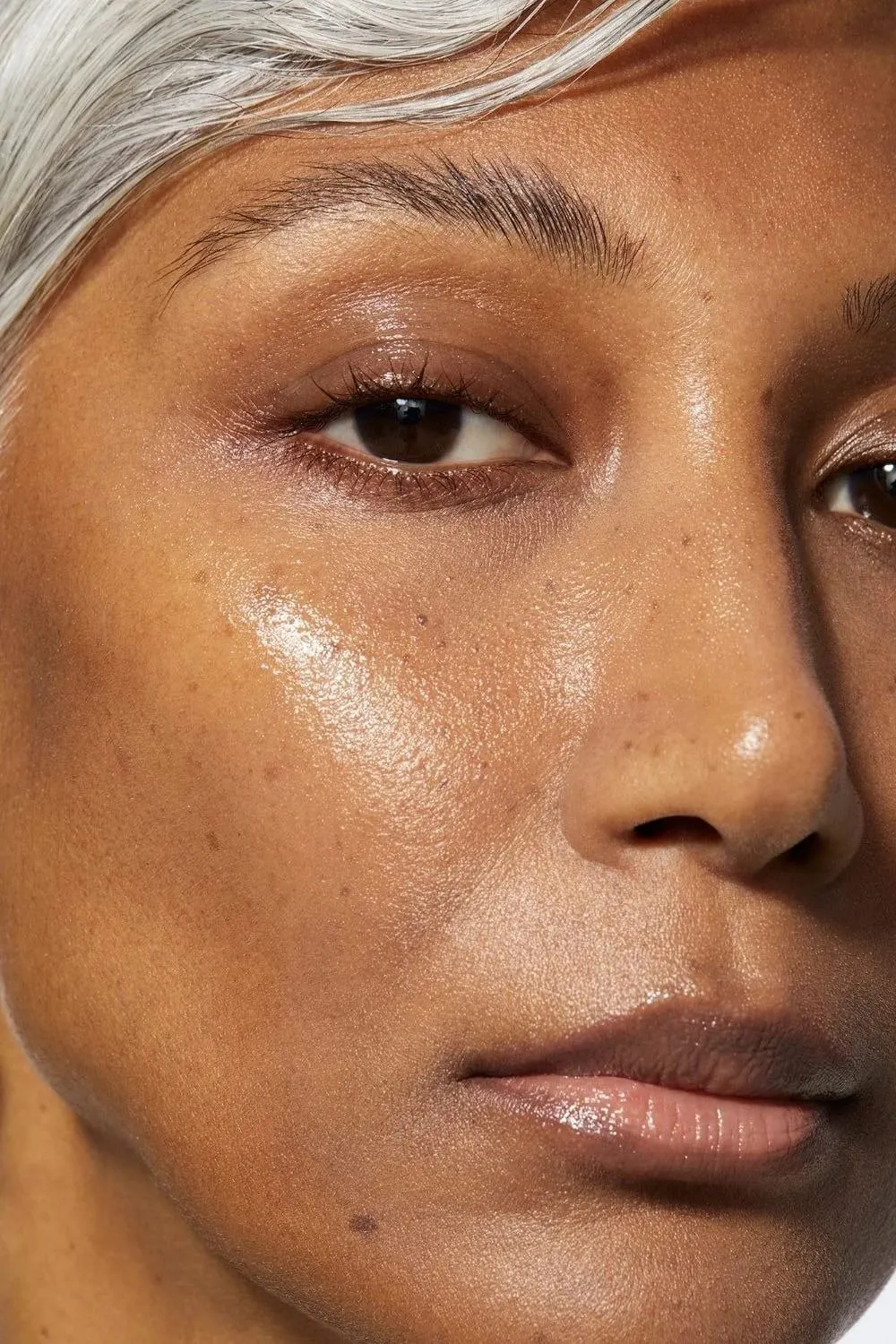
Pigmentation on deeper skin tones
Common, very treatable and the least forgiving of a wrong approach. It is treated more gently, with preparation first and strict sun protection throughout.
Why it happens
What causes pigmentation?
-
Ultraviolet exposure, which stimulates melanin production and is behind most sun spots and age spots
-
Inflammation from acne, eczema, injury or an aggressive treatment, which leaves post-inflammatory marks
-
Hormonal change from pregnancy, the contraceptive pill or HRT, which drives melasma
-
Genetics and skin type: deeper skin tones pigment more readily in response to any insult
-
Certain medications and fragranced products that make skin more sensitive to light
-
Heat, including saunas and cooking, which can worsen melasma independently of UV light
Treatment approach
How Dr Toro treats pigmentation and uneven tone
Prescription Skincare, Made For You
From £90The core of any pigmentation plan, because the useful ingredients are capped well below useful strength over the counter. A formula built for your skin and your diagnosis, adjusted as you go, plus the daily sun protection without which nothing else works. From £90 for the consultation.
See treatment detail →Skin Peels
From £240A moderate peel reaches the layers holding excess pigment and speeds up turnover. Depth is chosen for your skin type, and on deeper skin tones Dr Toro prepares the skin with prescribed skincare first to reduce the risk of post-inflammatory pigmentation. From £240.
See treatment detail →Microneedling
From £240Safe across every skin tone, because there is no heat or light involved and therefore no thermal trigger for more pigment. It improves turnover and texture alongside tone, over a course of four to six sessions. From £240 per treatment.
See treatment detail →Polynucleotides
From £240Particularly useful where pigmentation sits in thin, inflamed skin such as under the eye. They calm inflammation and encourage healthy cell turnover, which addresses one of the drivers rather than only the pigment itself. From £240 per treatment.
See treatment detail →FAQ
Frequently asked
questions
Can pigmentation be removed completely?
Sun spots and post-inflammatory marks can often be cleared or reduced substantially. Melasma is managed rather than cured: it is hormone driven and it returns with sun, heat and hormonal change. Dr Toro will tell you which type you have and what a realistic outcome looks like before you spend anything.
Why do I need sun protection if I am having treatment?
Because UV is the trigger for most pigmentation, and every treatment that speeds up renewal leaves newer skin at the surface that pigments more readily. Without daily broad-spectrum protection you undo each session between appointments. It is part of the treatment, not an add-on to it.
Is pigmentation treatment safe on darker skin?
Yes, with the right approach, and it is exactly where the wrong approach does damage. Deeper skin tones produce more pigment in response to inflammation, so an aggressive peel or the wrong light-based treatment can make things worse. Dr Toro prepares the skin first, treats more gently and insists on sun protection.
How long does it take to fade pigmentation?
Months rather than weeks. Expect the first visible change at around eight to twelve weeks on a prescribed routine, with continued improvement over six months. Pigmentation is the slowest of the common skin concerns to shift, and anything promising a fast result is either overselling or over-treating.
Will the marks left by my acne fade on their own?
Flat brown or red marks usually do fade eventually, often over many months, and treatment speeds that up considerably. Indented or raised marks are scarring rather than pigment and need a different approach. Dr Toro will tell you which of the two you are looking at, because they are frequently confused.
Get Started
Book your consultation
with Dr Toro
Dr. Toro Aesthetics • 1 Orchard Street, UNTIL Marylebone, London W1H 6HJ • Kailash Centre, 7 Newcourt Street, London NW8 7AA
BookConsultations are £90 and include a written treatment and skincare plan.